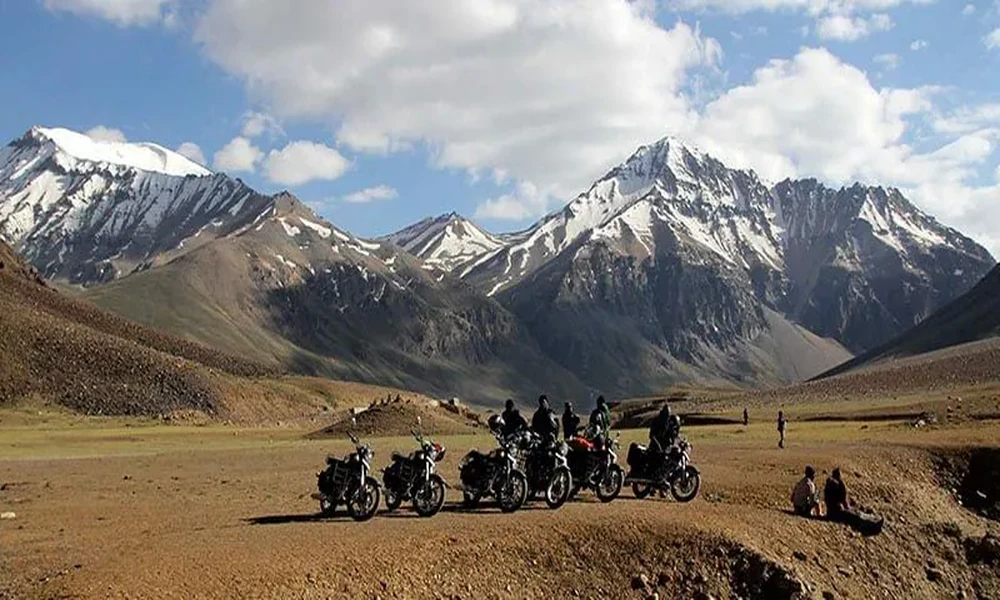

Motorcycle journeys through high-altitude regions can be physically demanding, especially when riding for several hours each day. Reduced oxygen levels, changing weather, winding roads, and long periods in the saddle can place additional strain on the body. Preparing physically before departure helps riders manage fatigue, maintain concentration, and enjoy the journey more comfortably.
Whether you are planning a classic Himalayan route like a Pokhara to Muktinath motorbike tour or tackling other rugged mountain passes, rapid elevation gains and rough terrain quickly test a rider’s stamina. Taking time to condition your body in the weeks leading up to the ride ensures you stay alert on steep climbs, handle sudden weather shifts with ease, and enjoy the landscape rather than fighting exhaustion.
Build Your Physical Fitness Gradually
Regular exercise can improve your ability to handle extended riding sessions. Focus on activities that develop cardiovascular fitness, such as walking, cycling, swimming, or light jogging. Start with shorter sessions and gradually increase the duration as your fitness improves.
Strength training is equally useful. Exercises that target the legs, back, shoulders, and abdominal muscles can help support your riding posture. Squats, lunges, and basic core exercises are practical options to include in your routine.
Improve Your Riding Endurance
Spending several hours on a motorcycle can cause stiffness and muscle discomfort. Before starting a long tour, practise riding for gradually increasing periods. This allows your body to become familiar with maintaining the same position for extended durations.
Begin with shorter rides and slowly increase the distance over several weeks. Pay attention to how your body responds and avoid increasing riding time too quickly. Plan regular breaks during practice sessions to stretch and relax your muscles.
Prepare for High-Altitude Conditions
As altitude increases, lower oxygen levels may cause headaches, nausea, dizziness, fatigue, or breathing problems. Choose routes that increase in elevation slowly, allowing your body to become accustomed to the thinner air. Avoid intense activity during the initial period. If symptoms worsen, move to a lower altitude and seek medical assistance promptly.
Stay Hydrated and Eat Properly
Long rides and dry mountain air can contribute to dehydration. Make sure to have water at frequent intervals during your ride, even when you do not feel thirsty. Carry a reusable water bottle and refill it whenever suitable facilities are available.
Include foods containing carbohydrates, protein, and good fats in your daily meals to maintain energy levels. Foods such as rice, fruits, vegetables, eggs, and nuts can provide energy for extended riding days. Avoid skipping meals, as this may affect concentration and stamina.
Practise Stretching and Recovery
Remaining in one riding position can place pressure on the neck, shoulders, wrists, hips, and lower back. Gentle stretching before and after riding can help reduce stiffness.
During breaks, step away from the motorcycle, walk for a few minutes, and move your shoulders and legs. Give yourself enough time to rest between riding days. Quality sleep is particularly important when travelling through high-altitude areas.
Choose Comfortable Riding Equipment
Properly fitted riding gear can make long journeys more manageable. Select gloves, boots, protective clothing, and a helmet that do not restrict movement. Adjust your motorcycle’s seating position and handlebars where possible to reduce unnecessary strain.
Preparing Your Body for Long Days in the Saddle at Altitude