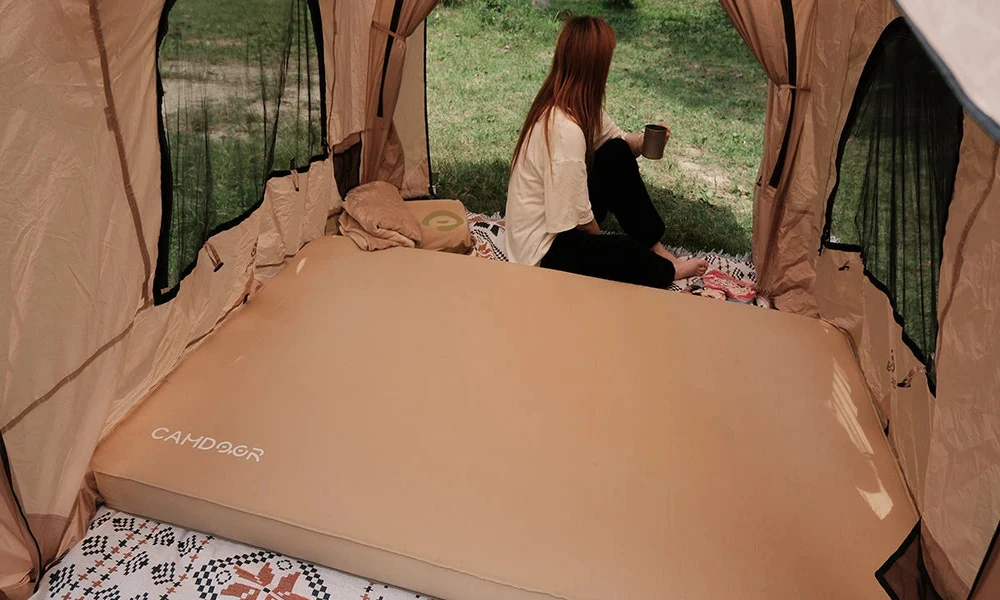

Imagine spending an entire day hiking through beautiful landscapes, setting up your tent, and enjoying a peaceful evening outdoors. Everything seems perfect until you lie down to sleep and discover that the ground is hard, uneven, and surprisingly cold. Suddenly, your relaxing camping trip becomes an uncomfortable experience.
This is where the right sleeping equipment makes a difference. A quality キャンプ マット can provide cushioning, reduce heat loss to the ground, and create a more comfortable sleeping surface. Whether you’re planning a weekend adventure or an extended outdoor trip, investing in suitable ground insulation can significantly improve your camping experience.
The Hidden Problem: Why Sleeping on the Ground Is Uncomfortable
Many first-time campers assume that a sleeping bag alone provides enough comfort. However, sleeping bags primarily insulate the body, while the ground beneath your tent presents additional challenges.
Three common problems can affect outdoor sleep:
1. Uneven surfaces: Small stones, roots, and hard ground can create uncomfortable pressure points, particularly around the shoulders and hips.
2. Ground temperature: Even during mild weather, the ground can draw heat away from your body, making nights feel colder than expected.
3. Limited cushioning: Without adequate support, side sleepers and people accustomed to softer mattresses may struggle to rest comfortably.
A suitable camping mattress addresses these challenges by providing insulation, cushioning, and a more supportive sleeping surface.
Camping Mattress Options: Finding the Right Solution
Different camping styles require different sleeping arrangements. Understanding the available options makes it easier to select suitable equipment.
Foam sleeping pad: Durable and lightweight; suitable for hiking and basic camping.
Self-inflating mattress: Balanced cushioning and insulation; suitable for weekend camping.
Inflatable sleeping pad: Compact and adjustable; suitable for backpacking and travel.
Camping air mattress: Spacious sleeping surface; suitable for family and car camping.
Each option offers advantages depending on transportation, available space, and personal comfort preferences.
What Makes a Camping Mattress Comfortable?
Cushioning and Body Support
A good camping mattress should provide enough cushioning to reduce pressure against hard surfaces.
Side sleepers often prefer thicker mattresses because their shoulders and hips place greater pressure on the sleeping surface. Back sleepers may find thinner, supportive pads comfortable.
Insulation Against Cold Ground
Insulation is equally important. Camping pads use an R-value to indicate resistance to heat transfer.
Higher R-values generally provide better insulation, making them useful for colder conditions. For winter camping, an insulated pad with an appropriate R-value is essential.
Portability and Packing Size
Backpackers typically prioritize lightweight, compact equipment, while car campers can accommodate larger mattresses.
Consider how far you need to carry your equipment before selecting a mattress.
Real Camping Scenarios: Which Setup Works Best?
Scenario 1: A Weekend Camping Trip
For a short camping trip, convenience and comfort are usually the main priorities.
A self-inflating mattress offers a practical balance between cushioning, insulation, and straightforward setup.
Scenario 2: Hiking and Backpacking
When carrying equipment over long distances, every kilogram matters.
Compact inflatable pads or lightweight foam mattresses can help reduce backpack weight without completely sacrificing comfort.
Scenario 3: Family Camping
Families often prioritize spacious sleeping arrangements and convenient setup.
Larger camping mattresses can provide additional room, particularly when traveling by car.
For colder weather, ensure the chosen mattress offers adequate ground insulation.
Five Practical Ways to Improve Your Camping Sleep Setup
A comfortable mattress works best when combined with thoughtful campsite preparation.
- Choose level ground: Avoid slopes, exposed roots, and rocky surfaces whenever possible.
- Clear the sleeping area: Remove small stones and debris before pitching your tent.
- Adjust mattress firmness: Avoid excessive inflation that creates an unnecessarily hard surface.
- Use appropriate bedding: Combine your mattress with a sleeping bag suitable for expected temperatures.
- Keep equipment dry: Protect sleeping gear from rain, condensation, and ground moisture.
These simple adjustments can make outdoor sleeping noticeably more comfortable.
Common Mistakes That Reduce Camping Comfort
Even experienced campers sometimes overlook important sleeping arrangements.
Choosing thickness over insulation: A thick mattress is not automatically warm. Always consider its insulation rating.
Ignoring mattress dimensions: A mattress that is too short or narrow may restrict movement and reduce comfort.
Overinflating air mattresses: Excessive firmness can create uncomfortable pressure points.
Skipping equipment checks: Inflatable mattresses should be inspected for leaks before departure.
Packing equipment while damp: Moisture can encourage odors and damage certain materials during storage.
Avoiding these mistakes helps maintain equipment performance and improves overnight comfort.
A Quick Camping Mattress Checklist
Before leaving for your next outdoor adventure, confirm that your sleeping setup meets these requirements:
- Mattress dimensions suit your height and sleeping position.
- Insulation is appropriate for expected nighttime temperatures.
- Packed weight and size match your transportation needs.
- Inflation equipment or repair accessories are available if needed.
- The mattress has been inspected and tested before departure.
Conclusion
A comfortable camping experience depends on more than a reliable tent and sleeping bag. The mattress beneath you plays an important role in supporting your body, reducing pressure points, and limiting heat loss to the ground.
By understanding different mattress types, considering insulation requirements, and preparing your sleeping area carefully, you can create a more comfortable outdoor resting environment.
Whether you enjoy lightweight backpacking or relaxed family camping, choosing suitable sleeping equipment can help you wake up refreshed and ready for another day of adventure.
Why Your Camping Mattress Matters More Than You Think: A Guide to Better Outdoor Comfort